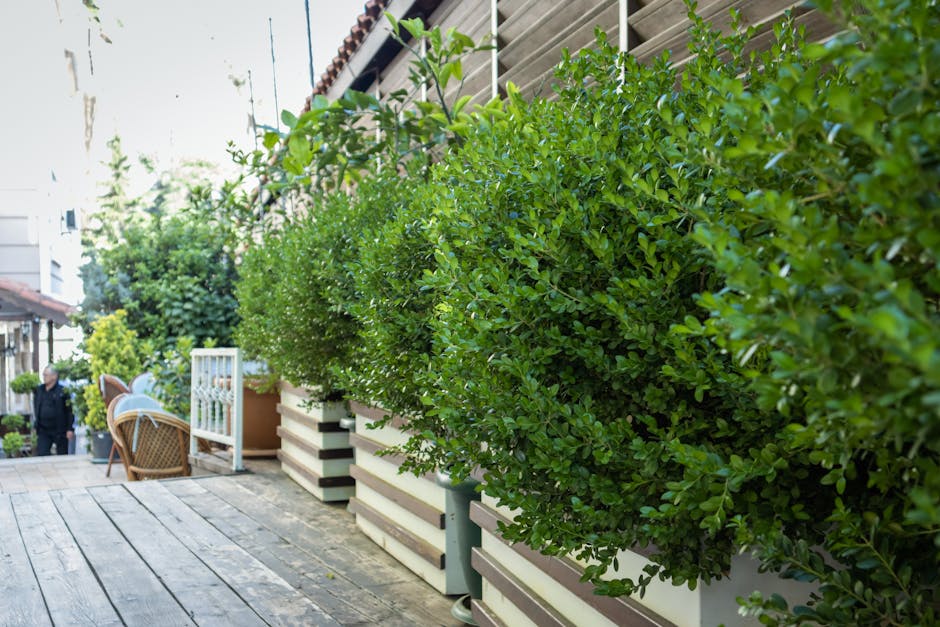
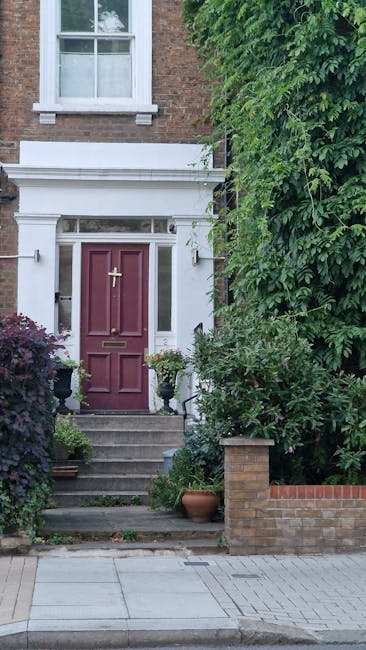
Best gardeners Fulham SW6 for terraced garden makeovers
If you live in Fulham and your terrace garden feels a bit cramped, tired, or awkwardly shaped, you are not alone. Terraced gardens in SW6 often have their own quirks: narrow side access, limited daylight, overlooked neighbours, patchy lawns, and that strange little corner nobody quite knows what to do with. The right team can turn all that into something calm, practical, and genuinely attractive. That is what people usually mean when they start searching for the best gardeners Fulham SW6 for terraced garden makeovers.
This guide breaks down what a proper terraced garden makeover involves, how to judge a good gardener, and what you should expect from the process. We will cover design choices, common mistakes, realistic timelines, and the practical decisions that matter in a London garden. By the end, you should feel a lot clearer about what to ask for, what to avoid, and how to get a result that actually suits your home.
Table of Contents
- Why this matters in Fulham
- How a terraced garden makeover works
- Key benefits and practical advantages
- Who it is for and when it makes sense
- Step-by-step guidance
- Expert tips for better results
- Common mistakes to avoid
- Tools, resources and recommendations
- Law, compliance, standards and best practice
- Options, methods and comparison
- Case study or real-world example
- Practical checklist
- Conclusion
- Frequently asked questions
Why Best gardeners Fulham SW6 for terraced garden makeovers Matters
A terraced garden is usually smaller, more visible, and more tightly packed than a suburban plot. In Fulham, that often means you need a design that does several things at once: looks good from the house, works for day-to-day use, handles shade, and stays manageable. Easy to say. Not always easy to achieve.
The best gardeners in Fulham SW6 for terraced garden makeovers understand that space is only part of the challenge. They know how to shape the eye, create a sense of width, and make a compact garden feel calmer. They also understand the practical side of urban gardening: drainage, access, neighbours, waste removal, and the fact that a "low-maintenance" garden still needs to be built properly if it is going to stay that way.
To be fair, plenty of gardens look fine on paper but fall apart in real life. A long skinny lawn that gets no sun, borders that are impossible to reach, or a patio with nowhere to sit once the table goes in. Good gardeners think ahead. They look at how you will walk through the space, where the light lands at 4pm, and whether you actually want a family garden, a quiet retreat, or a place to entertain. That's the difference.
Expert takeaway: In a terraced Fulham garden, the "best" gardener is not just the one who can plant neatly. It is the one who can solve layout problems, choose the right materials, and make the whole space feel intentional.
If you are still comparing options, it can help to look at the broader service range first. A team with services overview pages that include design, maintenance, clearance, and landscaping is usually better placed to handle a makeover from start to finish, rather than only one part of it.
How Best gardeners Fulham SW6 for terraced garden makeovers Works
A proper terraced garden makeover usually starts with a site visit or detailed discussion. The gardener or landscaping team will assess the space, note the sun pattern, measure access, and ask how you want to use the garden. A good first conversation is rarely about plants alone. It is more likely to begin with questions like: Do you want a seating area? Do you need storage? Do you want the garden to feel bigger? Are you hoping for more greenery, more privacy, or less maintenance?
From there, the work is typically broken into planning, preparation, build, and planting. In simple terms, that means stripping out what is not working, fixing the bones of the garden, and then adding the features that make it enjoyable. For a narrow Fulham terrace, that might include new paving, raised beds, edging, trellis, lighting, screening, or even a subtle change in levels.
One thing people often miss is sequencing. You cannot really plant first and figure out the patio later. The structure of the garden comes before the decorative layer. That sounds obvious, yet it is where many rushed projects wobble. A tidy clear-out, sensible hard landscaping, then the planting plan. That order matters.
If your garden is overgrown or full of old debris, a decent first step may be garden clearance. If the space needs more than a clean-up and you want to reshape the layout, then landscaping or landscape gardening may be the more relevant route.
Typical stages in a terraced makeover
- Initial assessment: Looking at dimensions, access, shade, soil condition, drainage, and your goals.
- Design and priorities: Deciding what matters most: seating, privacy, planting, storage, children, pets, or entertaining.
- Clearance and preparation: Removing waste, cutting back, and preparing the ground properly.
- Hard landscaping: Installing paths, patios, decking, steps, or retaining features.
- Planting and soft landscaping: Adding trees, shrubs, climbers, perennials, lawn, or container planting.
- Finishing touches: Mulch, edging, lighting, watering plan, and maintenance guidance.
In our experience, the final result is best when the gardener thinks like both a builder and a plant person. You need both. A beautiful planting scheme sitting on poor groundwork is like a nice coat over wet socks. It may look okay for a week, then things get annoying.
Key Benefits and Practical Advantages
A well-planned terraced garden makeover does more than make the space look neat. It changes how you use the home. For many Fulham properties, the garden becomes an extra room in summer, a calmer view from the kitchen, and a place that makes the whole house feel more complete.
- Better use of limited space: Narrow gardens can feel larger with the right layout, repetition of materials, and simple sightlines.
- Less day-to-day stress: A garden designed around realistic upkeep is easier to live with. That matters more than people admit.
- Improved privacy: Screening, planting, and careful height management can make an overlooked space feel much more comfortable.
- Higher usability: You can fit more life into the garden when the design matches how you actually live.
- More consistent appearance: A cohesive design tends to age better than a series of disconnected fixes.
- Better drainage and durability: Proper preparation helps reduce puddling, compaction, and surface movement.
There is also a subtle but very real advantage: confidence. Once the garden looks right, people tend to use it more. The door opens more often. You step outside with coffee, water the pots, sit for ten minutes after work. Little things, but they add up.
If you are planning to keep the space looking good after the makeover, regular care matters. A maintenance plan from a team offering garden maintenance can help protect the investment, especially if the garden has newly planted borders or fresh lawn.
Who This Is For and When It Makes Sense
This kind of project is ideal if your garden is technically there, but not really working. That might mean it is too shaded, too cluttered, too bland, or too high-maintenance. It might also mean you simply do not know where to start, which is more common than you think.
Terraced garden makeovers make sense for:
- Homeowners who want a more polished outdoor space
- Families who need safer, simpler garden layout
- People who entertain outside and need a better flow
- Buyers or sellers wanting to improve kerb appeal and outdoor presentation
- Busy residents who need a lower-maintenance garden that still looks good
- Anyone with an awkwardly shaped plot that feels underused
It also makes sense after a period of neglect. Sometimes life gets busy, and a garden quietly slips into chaos. No judgement there. A good gardener can often salvage more than you expect. If the issue is overgrowth rather than a full redesign, a quick visit from a team that handles hedge trimming or lawn mowing may be enough to restore order before you decide on a bigger makeover.
On the other hand, if the space is riddled with old levels, broken paving, poor drainage, or tired timber, a proper redesign may save money in the long run. Patchwork fixes can become expensive. You fix one thing, then another, then another. Rather exhausting, really.
Step-by-Step Guidance
Here is a practical way to approach a terraced garden makeover without getting overwhelmed.
1. Start with how you want to use the space
Before materials or plant names, decide what the garden is actually for. Reading corner? Dining area? Child-friendly space? Low-maintenance retreat? Privacy from overlooking neighbours? The clearer this is, the easier every other decision becomes.
2. Identify the problems, not just the symptoms
A patchy lawn may be a symptom of shade or poor drainage. A garden that feels narrow may need a better path layout rather than more plants. Try to understand what is causing the frustration. That saves time and avoids decorative bandages.
3. Decide what stays and what goes
Not everything needs removing. Sometimes an existing tree, a good wall, or a decent patio edge can be retained and built around. But if something is unsafe, badly positioned, or visually throwing the whole thing off, it may be better to start fresh.
4. Build the structure first
This is where paving, decking, retaining walls, steps, and access routes come in. For some gardens, a new timber platform or a defined seating zone is enough to make the space feel transformed. For others, the structure is more complex. A good team will explain what is essential and what is optional.
5. Choose planting that suits the site
Fulham gardens often deal with partial shade, reflected heat from brickwork, and limited soil depth in some areas. Plant selection should respond to that. Think structure, seasonal interest, and practicality. Climbers, evergreens, grasses, and shade-tolerant perennials can all work well if they are matched to the conditions.
6. Add finishing details that make it usable
Lighting, edging, containers, storage, and watering access sound minor. They are not minor. They are the bits that make the garden feel finished rather than half-done. A space can look lovely in photos but still be awkward to live with if these details are ignored.
7. Plan the upkeep from the start
Ask what maintenance the new layout will need in the first three months and over the seasons. That answer should be straightforward. If it is vague, keep asking. A garden should fit your life, not become a second job.
Expert Tips for Better Results
A few small decisions can make a big difference in a terrace garden. These are the things experienced gardeners tend to notice quickly, and clients often only realise later.
- Use repetition to calm a small space: Repeating materials, colours, or plant forms creates rhythm and makes a garden feel more coherent.
- Keep the layout simple: A narrow garden usually looks better with one or two strong lines than with lots of zigzags.
- Think vertically: Walls, trellis, climbers, and layered planting add depth without stealing floor space.
- Choose furniture early: Measure the table and chairs before finalising paving dimensions. It sounds basic, but people forget.
- Mix evergreen with seasonal planting: Evergreens hold the structure in winter, while seasonal plants bring movement and softness.
- Be honest about maintenance: If you do not enjoy pruning, do not build a scheme that depends on constant trimming.
A little trick worth mentioning: if a garden feels too short, long horizontal lines can make it feel wider, while carefully placed vertical features can draw the eye upward and soften the sense of confinement. Not magic. Just good visual planning.
And yes, sometimes the best move is to do less. A few bold plants, a clear path, a small but elegant seating area. Simpler often ages better. Sounds counterintuitive, but there it is.
Common Mistakes to Avoid
Garden makeovers go wrong for a handful of familiar reasons. Avoiding them is often easier than fixing them later.
Overfilling the space
Too many features can make a small garden feel tight and fussy. The eye needs places to rest. Leave breathing room.
Ignoring drainage
Water that has nowhere to go will find its own path, and usually not a helpful one. Drainage is one of those unglamorous topics that saves you trouble later.
Choosing plants for looks alone
A plant that looks great in the nursery may be wrong for your light, soil, or exposure. The best gardeners in Fulham SW6 will always think about the site first.
Making maintenance too complicated
If every border needs constant deadheading and specialist feeding, the garden may become more hassle than joy. Simplicity is a feature, not a compromise.
Skipping proper preparation
Rushing the groundwork is expensive in the long run. Good preparation is not glamorous, but it is the part that supports everything else.
Forgetting about access
In terraced properties, getting materials in and waste out can be tricky. A team should plan this properly from the start, especially if side access is limited. Nobody enjoys carrying rubble through the house. Nobody.
Tools, Resources and Recommendations
You do not need to be a gardener yourself to make a good brief. A few practical tools and habits will help you get a stronger result.
- Photos of gardens you like: Save examples that show layout, mood, planting style, or materials you prefer.
- Simple measurements: Length, width, and any awkward corners or access points.
- Notes about sun and shade: A rough idea of where the light falls through the day is surprisingly useful.
- A list of priorities: Seating, privacy, low maintenance, family use, pets, colour, storage, or wildlife.
- Budget range: Even a rough figure helps shape the options properly.
- Maintenance preferences: Be upfront about what you will and will not manage yourself.
If you are working from a neglected garden, pairing a clearance job with a broader redesign can make the process smoother. In some cases, a service like garden clearance first, followed by landscaping, is the cleanest route. If you want to focus on healthy routine care after the build, garden maintenance is worth discussing early, not after everything has already settled in.
For practical support pages and service details, it also helps to review the company's policies around insurance and safety, health and safety, and pricing and quotes. That kind of information gives you a better sense of professionalism before you commit.
Law, Compliance, Standards and Best Practice
For most domestic garden makeovers, the main compliance issues are practical rather than dramatic. Still, they matter. A reputable gardener should work safely, protect your property, and avoid causing damage or nuisance to neighbouring homes.
In a terraced setting, best practice usually includes careful waste handling, sensible noise management, good site tidiness, and attention to safe access. If trees are involved, especially larger ones or anything close to boundaries, the work needs proper judgement. If there is any doubt, it is better to pause and check rather than rush through it.
Materials should be installed appropriately for the site. Heavy paving needs proper bases. Timber needs suitable treatment and fixing. Raised beds should be built so they do not bow, leak, or rot prematurely. The details matter more than people think.
It is also sensible to ask about how a team handles offcuts, green waste, and disposal. Recycling where possible is a good sign, and many customers now expect some thought around sustainability. You can review a provider's approach via recycling and sustainability if that matters to you, which for many homeowners it does.
Finally, trust your instincts. If a quote is vague, the scope is unclear, or the process sounds oddly casual, ask more questions. Good standards feel organised. Not stiff, just clear.
Options, Methods and Comparison
There is no single right way to transform a terraced Fulham garden. The best method depends on how you want the space to feel and how much work it needs. Here is a simple comparison to help you think it through.
| Approach | Best for | Typical strengths | Possible drawbacks |
|---|---|---|---|
| Light makeover | Gardens with decent structure but tired planting | Faster, less disruption, good value | Won't solve layout issues |
| Clear-and-reset | Overgrown or cluttered spaces | Gives a clean slate, easier to redesign | Can feel more disruptive at the start |
| Full landscape redesign | Awkward, shaded, or poorly functioning gardens | Best for long-term results, stronger flow | More planning, time, and cost |
| Maintenance-led improvement | Gardens that mainly need control and tidying | Quick to implement, good for routine care | May not significantly change the layout |
If the garden is structurally fine, a lighter intervention may be enough. If the layout is fundamentally awkward, a full redesign is often the smarter option. The temptation is to do the cheapest thing first. Sometimes that is right. Sometimes it is a false economy. It depends on the bones of the space.
Case Study or Real-World Example
Here is a realistic example from the sort of project these gardens often present. A typical Fulham terrace garden might be long and narrow, with old paving near the house, a tired patch of lawn in the middle, and dense planting at the back that has become more hedge than feature. The whole space feels darker than it should, and because the seating area sits in the wrong place, it is barely used.
The makeover approach would usually start with a full tidy-out and clearance of dead material. Then the layout might be simplified: a compact patio closer to the house, a defined path, and a slimmer planting scheme that uses structure rather than clutter. A few evergreen shrubs, layered perennials, and a climber or two can make the space feel greener without swallowing it. If privacy is a concern, trellis or taller planting can help, but it should be placed carefully so the garden still feels open.
The biggest change is often not dramatic at all. It is practical. Suddenly the chair fits properly. The route from the back door makes sense. Rainwater no longer sits in a low patch. You can see the whole garden from the kitchen and it feels calmer. That is the kind of result people remember.
Sometimes the after-photo is less exciting than the lived experience. And that is fine. Truth be told, a garden that is easier to enjoy on a Tuesday evening is doing its job.
Practical Checklist
Use this before you request quotes or agree a design.
- Do I know how I want to use the garden?
- Have I measured the space roughly, including any awkward access points?
- Do I understand which parts must be removed, repaired, or kept?
- Have I thought about sun, shade, privacy, and drainage?
- Do I want low maintenance, high visual impact, or a balance of both?
- Have I set a realistic budget range?
- Do I know whether I need clearance, landscaping, planting, or ongoing maintenance?
- Have I asked how waste will be removed and materials brought in?
- Do I know what the garden will need after the build is finished?
- Have I checked company details, safety information, and pricing clarity?
If you can answer most of those, you are in a strong position. If not, no problem. That is exactly what a good first conversation is for.
For additional background on the business itself, you may also want to review the about us page and the main Fulham gardeners homepage to understand the team's wider approach and service style.
Conclusion
The best gardeners Fulham SW6 for terraced garden makeovers are the ones who combine design sense, practical planning, and a clear understanding of how compact London gardens really work. They do not just tidy. They transform the feel of the space, solve awkward layout issues, and make your garden easier to enjoy all year round.
If you take one thing from this guide, let it be this: a successful terraced makeover is not about adding as much as possible. It is about choosing the right structure, the right plants, and the right level of upkeep for your life. Simple, thoughtful, and built to last. That is the sweet spot.
Get a free quote today and see how much you can save.
And if you are still at the thinking stage, that is perfectly fine too. A good garden project starts with clarity, not pressure. A little planning now can make the next warm evening outside feel a whole lot better.
Frequently Asked Questions
What should I look for in the best gardeners Fulham SW6 for terraced garden makeovers?
Look for experience with small urban gardens, clear communication, practical design thinking, and a process that covers preparation, build, and planting. The best teams explain trade-offs plainly rather than promising everything at once.
How long does a terraced garden makeover usually take?
It depends on the size of the garden and how much work is involved. A simple refresh may be quicker, while a full redesign with landscaping, planting, and hard surfaces will naturally take longer. Good planning usually shortens delays.
Can a narrow Fulham garden really be made to feel bigger?
Yes, absolutely. The right layout, repeated materials, vertical planting, and a simpler structure can make a narrow garden feel much more open. It is less about square footage and more about how the eye moves through the space.
Do I need a full redesign, or will maintenance be enough?
If the layout works but the garden is untidy or overgrown, maintenance and selective improvements may be enough. If the garden feels awkward, cramped, or badly drained, a full redesign is often the smarter move.
What is the first step in a terraced garden makeover?
Start by deciding how you want to use the garden. Once that is clear, a gardener can assess the site, identify problem areas, and recommend a sensible plan rather than guessing from photos alone.
Is it worth investing in landscaping for a small terrace garden?
Often, yes. A small garden can benefit a lot from strong layout choices, proper hard landscaping, and planting that suits the site. The key is to avoid overcomplicating the design.
How do gardeners handle limited access in terraced properties?
They plan material deliveries, waste removal, and working space carefully. In some cases, access limitations affect the choice of materials or the order of works. A good team will factor this in from the start.
What plants work well in Fulham terrace gardens?
It depends on light, soil, and the level of maintenance you want. Evergreen structure, climbers, shade-tolerant perennials, and carefully chosen seasonal plants often work well in compact London gardens.
How much maintenance will a newly made-over garden need?
That depends on the design. A low-maintenance garden should still need routine care, especially in the first year. New planting often needs watering, weeding, and light shaping while it establishes.
Should I choose decking, paving, or both?
It depends on how you want to use the space. Paving is often strong for dining and circulation, while decking can work well where levels or flow need softening. A mix can work too, if it is kept simple and balanced.
How do I know if a quote is fair?
A fair quote should be clear about what is included, what materials are being used, and what happens with waste. If the scope is vague, ask for a breakdown. A professional team should be comfortable explaining it.
Can I keep part of my existing garden during a makeover?
Yes. In many cases, keeping a good tree, mature shrub, wall, or patio section is sensible. The right approach is to preserve what still works and replace what is holding the space back.
What if I want the garden to be child-friendly or pet-friendly?
Say that early. It changes the choice of surfaces, plants, layout, and storage. A child-friendly or pet-friendly garden needs to be durable, safe, and easy to clean without becoming dull.
Who should I speak to first if I am not sure what I need?
Start with a local gardener or landscaping team that can assess the site and talk through options in plain English. A good first conversation should leave you clearer, not more confused.